A research study published in a recent issue of The New England Journal of Medicine reports that Americans stand a better chance of surviving a heart attack if they have it in a public place, such as a casino or an airport, rather than a hospital.
According to the researchers, if a person has a heart attack at a public place where there are automated external defibrillators (AEDs) readily available, the survival rate is 50 percent. The rate of patients surviving a heart attack in a hospital and eventually being discharged was only 34 percent.
The researchers reported that thousands of lives might be saved every year if hospital equipment were upgraded to include automated external defibrillators in all patient rooms, rather than only in those rooms where heart disease patients are treated.
In nearly a third of all cases of sudden cardiac arrest at a large sample of American hospitals, the staff took two minutes or more to respond, researchers said. The time needed to set up the more sophisticated and powerful defibrillators used in hospitals — as well as to verify whether the problem will respond to the shocks — contributes to the delay, the researchers said. Response times of more than two minutes double the risk of brain damage and death compared to responses within a two-minute window.
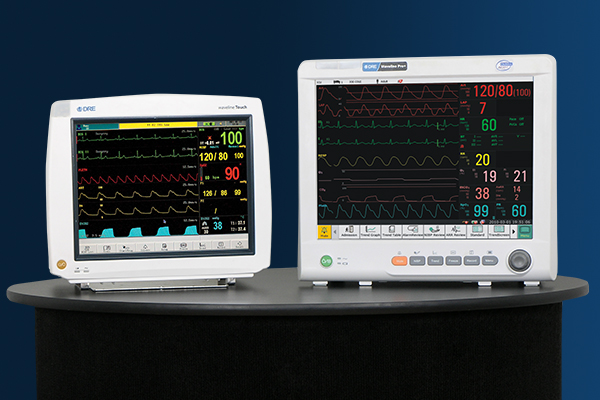
Dr. Leslie A. Saxson, chief of cardiology at the University of Southern California, said the research shows automatic external defibrillators should be standard equipment in every hospital room. Similarly, cardiac monitors should be considered for more patients being treated for other conditions, even when those patients have no history of coronary problems, Saxson said. AEDs are low-cost medical equipment, and the benefits far out-weigh the minimal cost.